
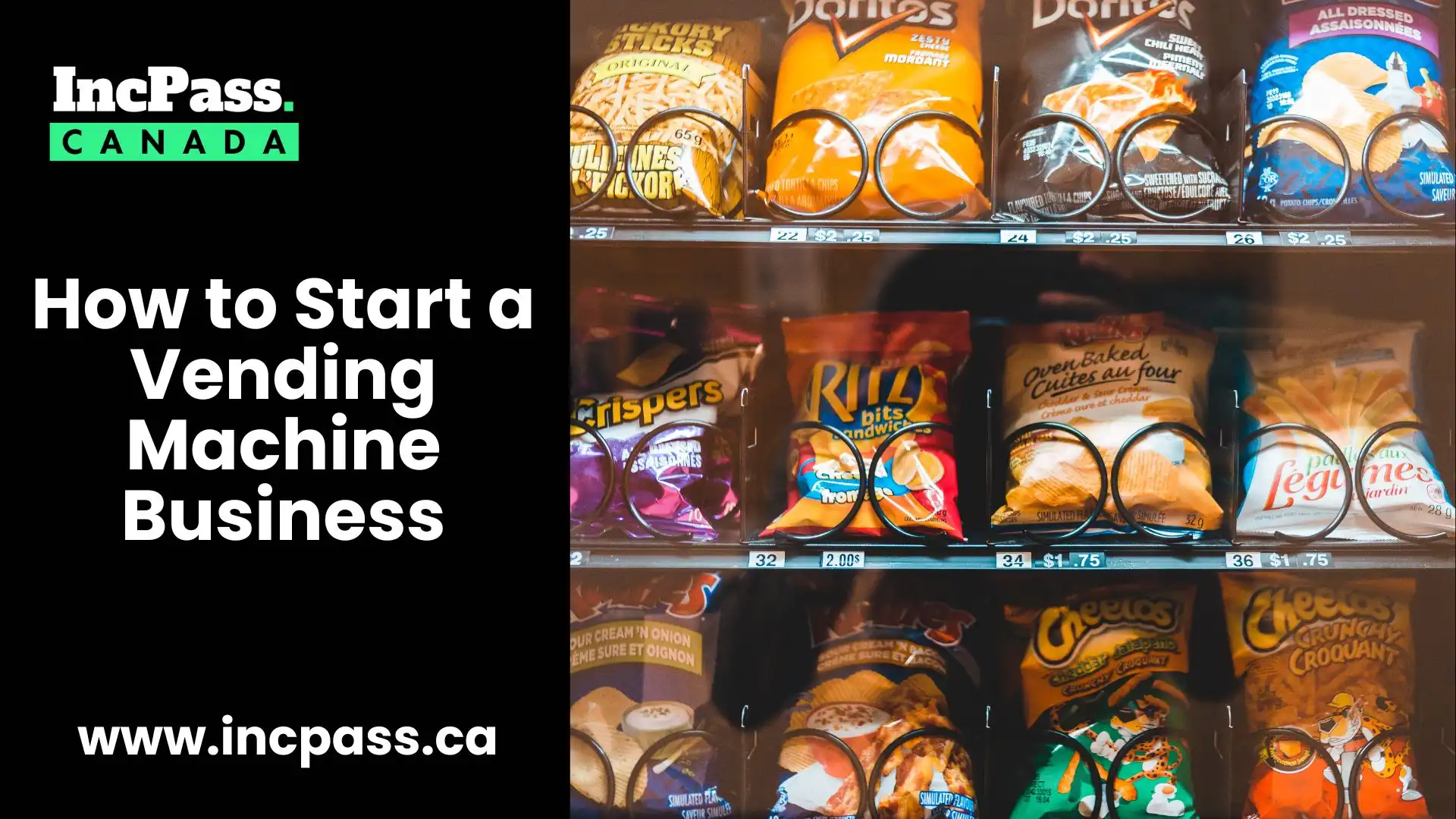

Are you considering starting a business in Canada but want to avoid the high overhead costs and time-consuming management of a traditional retail store? Look no further than the vending machine industry. With low startup costs, minimal time investment, and the ability to generate passive income, a vending machine business could be the perfect opportunity for you.
In this article, we will explore how to start a vending machine business in Canada, including the key considerations and essential steps for success. From conducting market research to choosing the right equipment and locations, we will cover everything you need to know to get your business off the ground. If you’re ready to take the first step toward financial freedom and entrepreneurship, let’s dive in.
What is a Vending Machine Business?
A vending machine business is a business that operates machines that deliver goods, mainly food and beverages. The proprietor of one or more vending machines decides where they will be placed, what products to offer, and how much money consumers will deposit.
How’s the vending machine business landscape in Canada?
The vending machine business landscape in Canada offers a potential opportunity for businesses seeking to enter the automated retail market. Vending machines have expanded beyond basic snacks and drinks by using technology improvements and consumer trends to provide a diverse range of products, including vape supplies, cupcakes, and personalized items. Canadian marketplaces offer a platform for innovation and customisation, enabling enterprises to meet individual customer wants and preferences. Strategically placing vending machines in high-traffic areas, along with smart features for data collection and consumer engagement, can improve the success of the vending machine business in Canada.
How to Start a Vending Machine Business in Canada?
The key steps to start a vending machine business in Canada are mentioned below:
- Decide What to Sell: To decide the items to be offered in the vending machines, pay attention to the market demand and the profits.
- Choose Your Business Structure: Set up your business legally by establishing an LLC or a corporation, and check if there are any licenses or permits that you need to have.
- Conduct Market Research: To know the vending machine industry, identify potential locations that are profitable and have an edge over your competition, and this will help you be informed in your decision-making.
- Find the Right Location: Find a location in high traffic for your vending machines that has good visibility, and it will maximize sales potential.
- Gather Equipment and Supplies: Get vending machines, set them up, and begin with just a few machines, later expanding.
- Register Your Business: When your vending machine business is registered with the relevant government authorities, you can legally operate it.
- Prepare for Taxes: Know your tax commitments as a business owner, which could include income tax, corporation tax, and registering for VAT if needed.
- Set Realistic Budgets and Goals: Allocate a budget for the start-up costs and operating expenses, and plan the income goals to make the business steadily grow.
Benefits of Incorporating a vending machine business in Canada
- High Degree of Autonomy: Vending machines that are available round the clock and can be placed almost everywhere also provide consumers with fast and easy access to the goods, which do not require more staff to spend time on standby.
- Growing Industry: According to industry data used by the government and market reports, the vending machine operators industry in Canada is valued at about $227.3 million in 2025, with hundreds of businesses operating vending machines across the country.
- Passive Income: Once the vending machine is placed and stocked, it can run without constant checks and produce revenue. This way, the entrepreneur can concentrate on having other businesses or ventures.
- Diverse Product Range: Vending machines can have different types of goods too, such as equipment, including food, drinks, electronics, and personal care items, which will draw the attention of many customers, hence increasing the chances of success.
- Cashless Payment Options: There have been a lot of improvements in the vending industry. Vending machines now give options other than cash. Examples of these options include credit cards, mobile payments, and even facial recognition systems, which make things simple and easy for customers.
- Flexibility and Convenience: Vending machines are very flexible, and the fact that they can be located anywhere makes them great start-up businesses because you can decide what items you want to sell and at which location.
What is the Cost of Starting a Vending Machine Business in Canada?
The vending machine business in Canada needs to be prepared for both the initial setup costs and operating costs. Knowing these expenses will assist business owners in planning their budget and establishing a sustainable company.
Initial Setup Costs
The initial costs required to start your vending machine business are as follows:
- Vending Machine Purchase: The new or refurbished machines, based on your budget and company objectives.
- Delivery and Installation: the transportation of the machines to the chosen places and their proper installation.
- Payment Technology: Installing technology that accepts debit cards, credit cards, or mobile payments.
- Starting Inventory: Before launching, fill machines with snacks, beverages, or other products.
- Business Registration and Permits: The registration of your business and any licenses that are necessary by the local authorities.
Ongoing Operating Costs
When your machines are in operation, you will have a few routine expenses to attend to in order to run the business smoothly:
- Inventory Restocking: Restocking of sold products and other popular products in the machines.
- Location Fees: There are property owners who require payment of a rental fee or a percentage of sales for placement of the machine.
- Maintenance and Servicing: Daily cleaning, repairing, and technical service of machines.
- Transaction Fees: Costs associated with processing digital or card payments.
- Transportation and Utilities: Fuel to make restocking visits and electricity consumed by the machines.
- Insurance Coverage: Optional protection against theft, vandalism, or damage.
Key Insight
A successful vending machine business depends on careful cost management and smart location choices. Starting with a small number of machines and expanding gradually can help reduce financial risks while increasing profitability over time.
Types of Vending Machines
- Hot drinks vending machines: These machines dispense hot drinks, such as coffee, tea, and hot chocolate.
- Cold drinks vending machines: These machines dispense cold drinks, such as sodas, juices, and bottled water.
- Snack vending machines: These machines dispense snacks, such as chips, candies, and chocolates.
- Coffee vending machines: These machines dispense coffee and other hot beverages.
- Food and drink vending machines: These machines dispense a variety of food and drink items, including sandwiches, salads, and snacks.
- Smart vending machines: These machines feature advanced features, such as touchscreens and smart customer interfaces, for a more interactive user experience.
- Healthier options in vending machines: These machines offer healthier snack options, such as fruits, nuts, and yogurt.
- Frozen vending machines: These machines dispense frozen foods, such as ice cream, frozen yogurt, and frozen meals.
- Elevator vending machines: These machines are designed to easily vend sensitive and perishable goods, such as sandwiches and pastries.
- Ice cream vending machines: These machines dispense ice cream and other frozen treats.
- Gumball and novelty vending machines: These machines dispense gumballs, toys, and other novelty items.
- Bulk vending machines: These machines dispense small items, such as gumballs, candies, and toys, in bulk quantities.
- Cigarette vending machines: These machines dispense cigarettes and other tobacco products.
- Newspaper vending machines: These machines dispense newspapers and other printed materials.
Conclusion
Starting a vending machine business in Canada can be a profitable opportunity for entrepreneurs looking to earn passive income with a flexible business model. With the right location, quality machines, and proper planning, you can build a successful vending machine business.
If you’re ready to get started, IncPass can help you register your business in Canada quickly and easily, providing the support you need to launch and grow your venture with confidence.
Frequently Asked Questions
What are the trends in the Canadian vending industry?
The trends in the Canadian vending industry include non-cash machines and more convenient payment methods, an increase in consumer desire for healthy snack vending, and an increase in the use of technology to improve the vending experience.
What regions are businesses in the vending machine operator industry in Canada located?
Businesses in the Vending Machine Operators in Canada industry are located in various regions across Canada, including Ontario, Quebec, British Columbia, Alberta, and other provinces.
What is the market size of the vending machine operators industry in Canada?
According to industry data used by government and market reports, the vending machine operators industry in Canada is valued at about $227.3 million in 2025, with hundreds of businesses operating vending machines across the country.